Gentle Exercise: A Realistic Way to Move More Daily
By:Author:no.Diet Editorial
Updated on:October 18, 2026
- Building a Movement Routine From Scratch
- How Much Movement Actually Moves the Needle
- Making Movement Work Around a Full Calendar
- A Four-Stage Starter Plan
- When Movement Starts to Feel Normal
- Mistakes That Make Movement Harder Than It Needs to Be
- Pairing Daily Activity With No.Diet
- Keeping Your Movement Habit Going Long Term
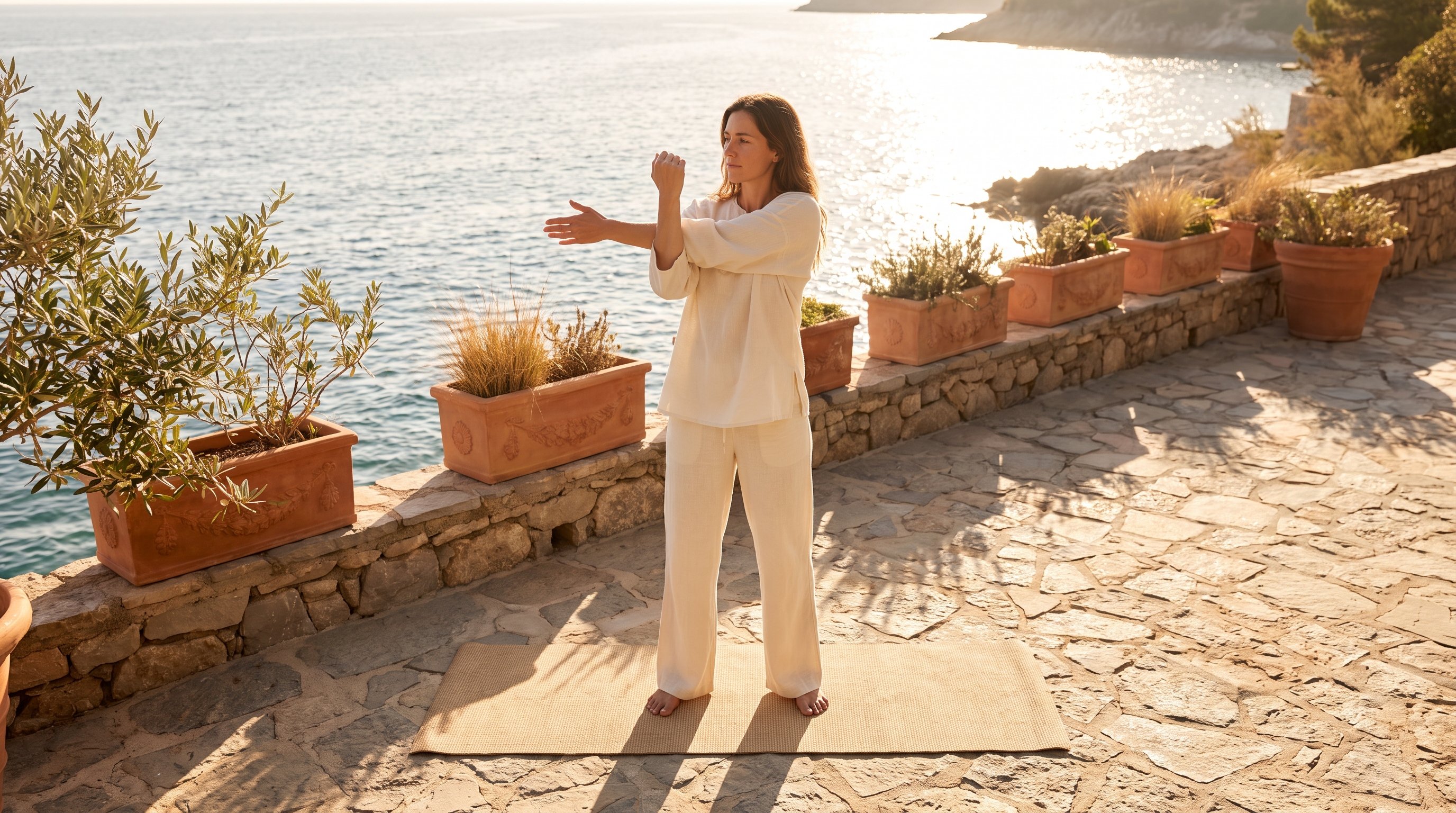
Gentle exercise means movement that raises your heart rate a little without leaving you wrecked - think brisk walking, swimming, light cycling or stretching sessions. The direct answer: most people get real benefit from short, regular sessions rather than occasional hard ones, because consistency is what actually changes your daily energy balance over time.
The mechanism is simple arithmetic, not magic. Moving your body burns energy, and doing it most days adds up to far more total movement than one brutal weekend workout followed by a week of nothing.
This guide covers how to start, how much movement actually does, a simple four-stage plan, the point where most people quit, and the mistakes that undo good intentions.
Building a Movement Routine From Scratch
Starting a habit of regular activity doesn't need equipment or a plan written by anyone but you. It needs a short list of steps you can repeat without thinking too hard.

Steps to Start Moving More
- Pick one movement you don't dread - walking, swimming or cycling all count, so choose whichever feels least like a chore.
- Set a time, not a distance - start with ten or fifteen minutes rather than a mileage target you might not hit.
- Attach it to something you already do - after breakfast, before a shower, during a phone call, so it rides on an existing habit.
- Keep the pace conversational - you should be able to talk without gasping, which is the whole point of sustainable movement.
- Track it somewhere simple - a notebook, a calendar tick, or a tracker in an app all work, as long as you actually look at it.
- Add a second session before you add intensity - more frequent and easy beats rare and hard.
- Review after two weeks, not two days - give the habit time to become ordinary before judging it.
How Much Movement Actually Moves the Needle
There's no single magic number for regular activity, but there is a useful range to aim at depending on how much time you have.
Matching Minutes to Your Week
Shorter daily sessions tend to stick better than longer, less frequent ones, because they ask less of your motivation each time.
| Amount | Frequency | Example |
|---|---|---|
| 10-15 minutes | Daily | Brisk walk around the block |
| 20-30 minutes | 4-5 times a week | Swimming or cycling session |
| 30-45 minutes | 3 times a week | Longer walk or light hike |
| 5-10 minutes | Most days | Stretching or mobility work |
None of these numbers are a ceiling. They're a starting point you can adjust once regular movement feels normal rather than effortful.
Making Movement Work Around a Full Calendar
A busy week doesn't need to cancel a movement habit, it just needs the habit to be small enough to survive it.
Walking calls, stretching while the kettle boils, or a short cycle before the day starts all count, and none of them require a block of free time you don't have.

This is also where tracking helps, because seeing movement add up over a week matters more than any single session.
no.Diet keeps steps, water and weight in one place, so your regular activity shows up as progress instead of disappearing into a busy day.
A Four-Stage Starter Plan
The order of this plan matters more than the exact minutes - build the habit first, then let intensity and frequency follow.
| Stage | Focus |
|---|---|
| Week 1 | Ten minutes daily, any light movement |
| Week 2 | Add a second short session most days |
| Week 3 | Stretch one session to twenty minutes |
| Week 4 | Pick a consistent weekly rhythm to repeat |
When Movement Starts to Feel Normal
Here's the good news nobody leads with: regular activity usually stops feeling like an obligation once it's attached to an existing part of your day.
The early sessions can feel like extra effort for not much payoff, and that's normal rather than a sign something's wrong.
Be patient with the timeline rather than watching for a specific result by a specific date. Consistency is unglamorous and it wins anyway, usually somewhere past the point most people decide it isn't working and quit.
Mistakes That Make Movement Harder Than It Needs to Be
Starting Too Intense Too Soon
Treating activity like a workout you need to sweat through defeats the point - keep the pace easy enough to hold a conversation.
Skipping Days and Trying to Make Up for It
One long session can't replace five short ones, so protect the small daily habit over the occasional big push.
Chasing a Body Part Instead of a Routine
Regular movement doesn't target one area of the body, no matter how it's marketed - it works by adding up activity over the whole week.
Tying It to How You Feel That Morning
Motivation comes and goes, so anchor the habit to a time or trigger instead of waiting to feel like it.
Ignoring the Food Side Entirely
Movement helps, but it works alongside what you eat, not instead of it.
Pairing Daily Activity With No.Diet
Regular movement does its job best when it sits next to eating habits that don't require constant willpower.
no.Diet pairs daily activity with a meal plan built around food you already like, so the movement you're adding doesn't get cancelled out by a day of guesswork at mealtimes.
Progress trackers and lifestyle challenges inside the app give your routine somewhere to live alongside everything else you're already changing, rather than treating it as a separate project.
Healthy Eating Simplified
Build Better eating Habits
Keeping Your Movement Habit Going Long Term
Pick one small session you can do today, not a full week's plan you'll abandon by Thursday. A ten-minute walk after lunch is a complete, legitimate start to building activity into your day.
If you want the eating side to feel as manageable as the movement side, no.Diet brings both into one place so neither one depends on you remembering everything at once.
FAQ
It helps by adding to your overall energy output across the week, especially when it's done consistently rather than occasionally. It works best alongside eating habits that support a deficit, not as a standalone fix.
Easy is the point, not a flaw - sessions you can actually repeat most days add up to more total movement than rare hard ones. Frequency beats intensity when the goal is a habit that lasts.
Ten minutes attached to something already in the day, like a call or a coffee break, counts as meaningful activity. The barrier is usually the idea that it needs to be longer than it does.
no.Diet combines regular activity with a Mediterranean meal plan and simple trackers, so movement and eating habits get built together instead of separately. That makes it easier to see your routine as part of a bigger, sustainable life change rather than one more thing to manage alone.
Share this post