12-3-30 Workout: A Realistic Walking Routine Guide
By:Author:no.Diet Editorial
Updated on:October 18, 2026
- Does the 12-3-30 Workout Actually Work?
- How Incline and Pace Combine to Raise Effort
- How Many Minutes and How Often to Walk
- Why Walking Uphill Beats Grinding Through Sprints
- Fitting the 12-3-30 Routine Into a Busy Week
- The Myth That One Workout Targets Belly Fat
- What Changes How Much the 12-3-30 Workout Delivers
- Mistakes That Stall a 12-3-30 Routine
- Pairing Your Walking Routine With No.Diet
- Starting Your Own 12-3-30 Habit
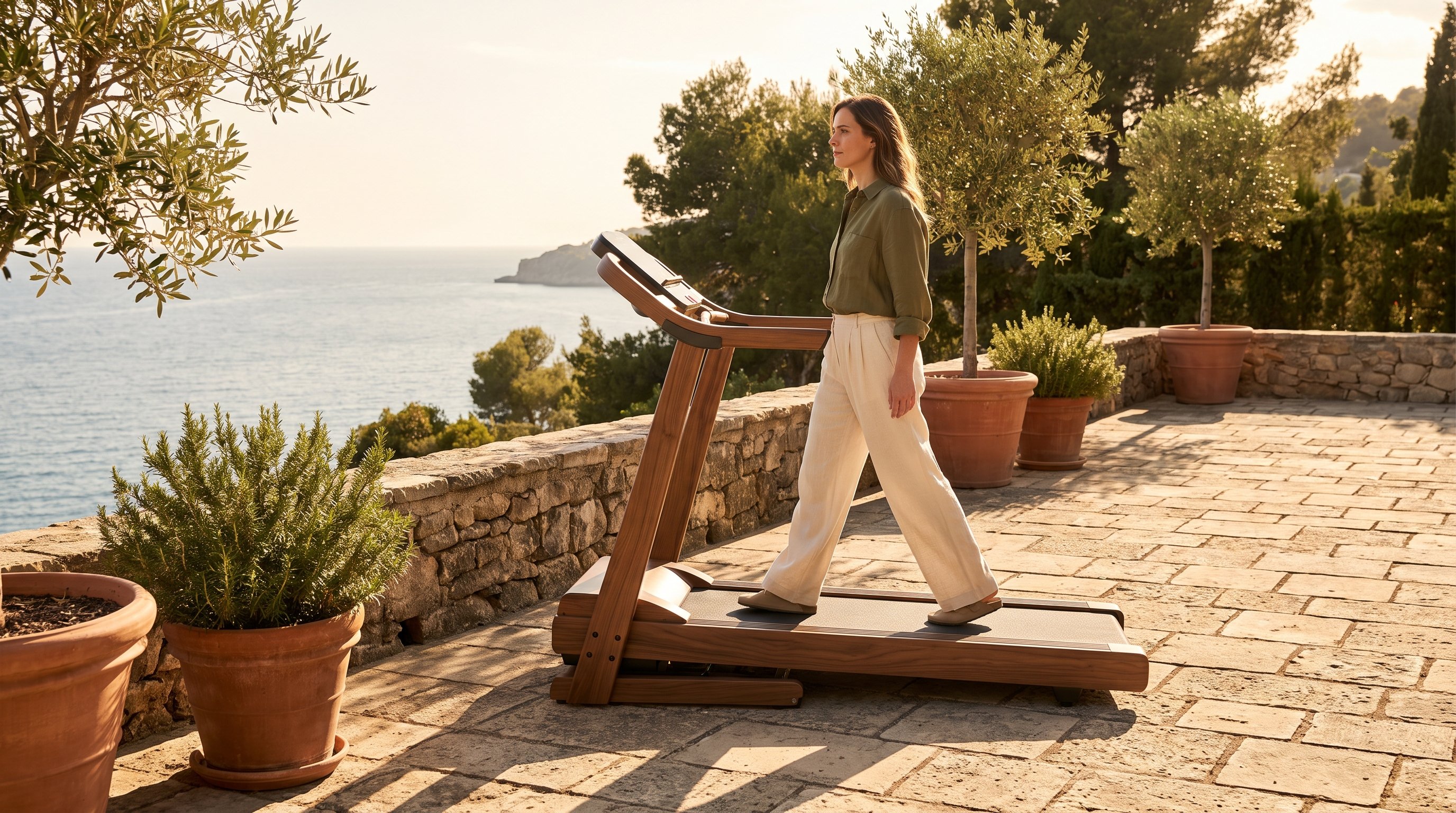
The 12-3-30 workout involves walking on a treadmill with an incline setting, at a modest pace, for 30 minutes. That is the whole routine - no equipment beyond a treadmill, no complicated programming.
The incline is doing most of the work here. Walking uphill at a steady pace raises your heart rate and recruits your legs and glutes harder than flat walking does, without the impact of running.
This article covers whether it actually works, how to build up to the full 30 minutes, how often to do it, and the mistakes that quietly stall people out before it becomes a habit.
Does the 12-3-30 Workout Actually Work?
Yes, in the sense that any consistent walking at a sustained effort burns energy and builds some cardiovascular capacity over time. The incline is what separates it from a casual stroll.
Walking uphill forces your body to lift its own weight with every step, which takes more effort than walking the same speed on flat ground.
Thirty minutes at that effort level adds up across a week - do it four times and that is two hours of sustained uphill walking, which is a meaningful chunk of movement for most schedules.
It will not reshape one specific body part no matter how long you stick with it - no walking routine does that, and anyone who tells you otherwise is skipping the arithmetic.
How Incline and Pace Combine to Raise Effort
Two numbers matter here: incline and speed. Each one on its own is manageable, which is exactly the point.
The Incline Does the Heavy Lifting
A steep incline feels like a hike, not a walk, so your heart rate climbs even though you are still just walking.
The Pace Stays Deliberately Modest
A comfortable, sustainable speed is the target - slow enough that the incline, not the speed, is what makes the session hard.
Combine a gentle pace with a steep incline and you get a workout that is low-impact on your joints but still demanding on your lungs and legs.
How Many Minutes and How Often to Walk
Thirty minutes at full incline is the target, but almost nobody starts there comfortably.
Building Up Gradually
Most people do better starting with a lower incline and shorter time, then adding incline and duration gradually each week until the full routine feels doable.

| Stage | Incline | Duration |
|---|---|---|
| Week 1 | Lower setting | 15-20 minutes |
| Week 2 | Gradual increase | 20 minutes |
| Week 3 | Gradual increase | 25 minutes |
| Week 4 | Gradual increase | 25-30 minutes |
| Week 5+ | Full incline | 30 minutes |
Three to four sessions a week is a reasonable target once you are near the full routine, with rest or flat walking on the other days.
Why Walking Uphill Beats Grinding Through Sprints
Compare incline walking against interval sprinting, which is often pitched as the faster route to the same cardiovascular benefit.
Sprint intervals demand a lot of recovery, carry more injury risk for untrained joints, and are hard to do on back-to-back days.

Incline walking can be repeated several times a week because walking, even uphill, does not beat up your body the way sprinting does.
A workout you can actually repeat four times a week outperforms one that leaves you too sore to show up - consistency beats intensity when intensity keeps sending you to the sofa instead of the treadmill.
Fitting the 12-3-30 Routine Into a Busy Week
Thirty minutes is short enough to slot before work, during a lunch break, or in front of the television in the evening.
It requires a treadmill with an incline function, which rules out outdoor walking unless you have a genuinely steep hill nearby, but most gyms and home treadmills handle steep inclines without trouble.
What you eat around the session matters as much as the walk itself, since a steady calorie deficit is what actually drives change over time - a meal plan built around food you already like makes that easier to hold onto than the walk alone.
The Myth That One Workout Targets Belly Fat
No workout, including this one, lets you choose where your body loses fat from first. That is not how the body works - fat comes off according to your overall energy balance, not according to which muscles you just worked.
Incline walking will not specifically slim your midsection any more than running, cycling or swimming would.
What it can do is contribute to the total movement and energy expenditure that, combined with what you eat, puts you in a deficit - and a deficit held consistently is what actually changes your weight over time.
What Changes How Much the 12-3-30 Workout Delivers
The routine itself is fixed, but three things determine how much it actually moves the needle for you.
What Matters Most
- Consistency across weeks - three or four sessions a week sustained for months outweighs a perfect single session done occasionally.
- What you eat the rest of the day - thirty minutes of uphill walking is easy to offset with a larger plate at dinner, so the two need to work together.
- Gradual progression - building up over time before reaching full intensity prevents soreness and keeps you on the treadmill.
Mistakes That Stall a 12-3-30 Routine
Starting at Full Incline on Day One
Jumping to maximum incline and duration before your legs are ready usually ends in soreness that keeps you off the treadmill - build up over a few weeks instead.
Gripping the Handrails the Whole Time
Holding on reduces how hard your legs and core have to work, which quietly makes the session easier than it looks - let go when you can and let the incline do its job.
Treating It As the Only Variable That Matters
Walking uphill four times a week will not outpace a week of eating well above what your body needs - the two have to move together.
Skipping Rest Days Entirely
Daily incline walking without any lighter days can leave your hips and calves overworked - alternating with flat walks or full rest keeps the routine sustainable.
Pairing Your Walking Routine With No.Diet
A treadmill session is easier to stick with when the eating side of the week isn't a daily guessing game.
no.Diet pairs customized Mediterranean meal plans with progress trackers and light exercise guidance, so your walking routine and your plate are working from the same plan instead of fighting each other.
Keeping steps, water and weight in one place means you can see whether your sessions are actually part of a pattern, not just an isolated workout you did a few times and forgot.
Healthy Eating Simplified
Build Better eating Habits
Starting Your Own 12-3-30 Habit
Pick three days this week, set the treadmill to an incline you can actually sustain, and build from there rather than chasing the full routine on day one.
Track how the sessions feel alongside what you're eating, since a tool like no.Diet can help you see the full picture instead of just the treadmill display.
FAQ
It can contribute to the energy deficit that drives weight change, but only alongside what you eat the rest of the day. No single workout guarantees a result without that piece in place.
The incline is what raises the effort, not the speed - at a steep grade, a slow pace can feel like a steady hike. Speed and incline work together, so slow is fine here.
Use the highest incline available and extend the time slightly to compensate, then build toward your goal as you get access to a treadmill that supports it. The exact numbers matter less than the gradual progression.
Track consistency over weeks, not how one session feels - a tool like no.Diet that logs your sessions alongside your eating can show the pattern more clearly than the treadmill screen alone. Progress usually shows up slowly, not session to session.
Share this post